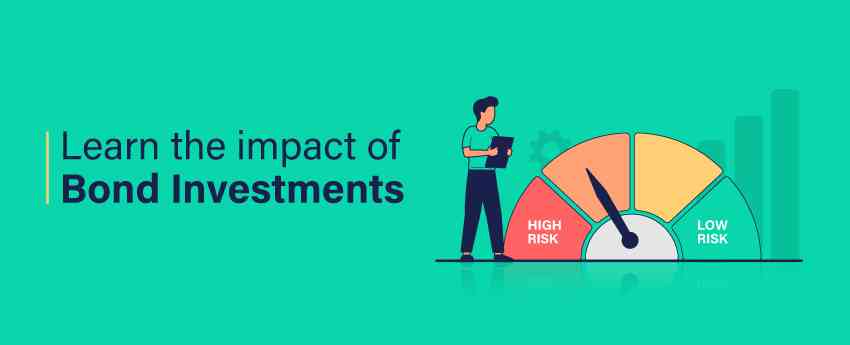
One of the most significant factors to consider while investing in a bond includes the bond’s rating. And why is that? Isn’t a bond’s yield promise adequate for an investor to make a decision? The answer is a resounding NO! Ratings matter as they carry a certain decisive value with them. They fundamentally denote a bond’s creditworthiness in terms of the return commitment the issuer makes. Let’s delve more into bonds and examine their role in impacting investment decisions.
What is a Bond Rating or Credit Rating?
Credit rating refers to a comprehensive evaluation of the creditworthiness of bond issues like corporations or governments. Credit rating agencies consider a range of factors like the issuer’s financial health (ability to pay periodic interests and principal amount at maturity), cash flows, industry risk, etc. Credit ratings play a pivotal role in driving the investment decisions of investors as they help the latter vet the risk level involved in investing in a particular listed or unlisted bond.
Who Gives Credit Ratings in India?
In India, credit rating agencies licensed by the Securities and Exchange Board of India (SEBI) are the ones providing credit ratings in India. Some significant credit rating agencies in India are as follows.
- ICRA (Investment Information and Credit Rating Agency of India Limited)
- CARE Ratings (Credit Analysis & Research Limited)
- Acuite Ratings & Research Limited (formerly SMERA Ratings Limited)
- Brickwork Ratings
- CRISIL (Credit Rating Information Services of India Limited)
- India Ratings and Research
These agencies are licensed to evaluate a bond’s creditworthiness and assign them appropriate credit ratings. The ratings are based on various factors, some of which are mentioned above and which we will also discuss in some time. These ratings play a crucial role in helping investors assess a bond’s trustworthiness and make an informed investment decision.
How Bond Ratings Help You
Bond ratings play an important role in helping investors judge both safety and reliability before investing.
- Ratings make it easy to see how safe or risky a bond is. They may help investors understand the chances of getting payments on time without much confusion.
- They make it easier to compare different bonds. This may help you make suitable choices.
- Bonds with lower ratings have relatively higher risk. Knowing this may help investors remain more careful and stay away from weaker issuers.
- Decision-making may also be ensured, as ratings may help match investments with risk levels.
Importance of Credit Ratings in Bond Investing
Credit ratings are crucial for bond investors as they provide a standardised measure of the creditworthiness of bond issuers. They help investors assess the risk of default on principal and interest payments, guiding them in making informed investment decisions. Here are some key points highlighting the importance of credit ratings in bond investing:
- Risk Assessment: Credit ratings help gauge the risk of default before investing, allowing investors to choose bonds aligned with their risk tolerance.
- Yield Determination: Investors may find out the potential bond yield. Higher-rated bonds may offer lower yields, while lower-rated ones may offer higher returns to compensate for risk.
- Portfolio Planning: They may also help in building a bond portfolio. Investors may mix high-rated bonds for stability and lower-rated bonds for returns, balancing risk and return.
- Market Sentiment: Ratings may impact investor confidence, affecting bond prices and fundraising ability. This may affect the upcoming investment plans of an investor.
By understanding credit ratings, investors can make more informed decisions while investing.
Factors Credit Rating Agencies Consider While Rating a Bond
While rating a particular bond, credit rating agencies factor in various aspects of the issuer to rate the latter appropriately and maintain transparency in the bond market. Some essential factors include the following.
Financial Performance and Health
The agency delves into the issuer’s financial records, balance sheet, P&L statements, cash flows, etc., to determine their financial performance and standing over a particular timeframe. It assesses the issuer’s profitability, solvency and liquidity by evaluating its financial records and statements. The purpose is to provide potential investors with a clear picture of the issuer’s economic condition. Examining all the documents and then determining the credit rating accordingly serve the purpose.
Cash Flow
A constant and consistent cash flow indicates a borrower’s income and their ability to produce adequate cash to fulfil its debt obligations.
Leverage Levels
Another critical factor credit rating agencies consider while rating a particular bond is the amount of debt a borrower has relative to its equity. Higher leverage levels can refer to an increased default risk. Such organisations may receive a lower credit rating.
Management Quality
In addition to the above, credit rating agencies examine factors like management quality, credibility, profile and competence. Fundamentally, credit rating agencies want to be sure that investors receive the periodic interest and capital they’ve invested per the issuer’s commitment. The quality of the issuer’s decision-making team plays a vital role in determining it.
Overall Competitive and Industry Risk
One more important factor is the risk profile of the industry to which the issuer belongs. Industries with fierce competition are deemed to be riskier. Hence, borrowers from such industries are likely to receive a lower credit rating.
Country Risk
A country’s macroeconomic condition and risk are as critical as the industry risk. Nations with higher political or economic uncertainties are considered riskier for investments. Hence, borrowers operating in such countries may receive lower ratings.
Credit Rating Categories
Let’s now look at the different credit rating categories that represent the creditworthiness of a particular bond.
- AAA Rating: The highest rating signifying a robust financial standing and ability to fulfil the required monetary obligations
- AA Rating: Another high rating signifying the borrower’s solid ability to keep up with its financial commitments and obligations
- A Rating: Slightly lower than AA but considered a high rating, A shows an appreciable ability of the borrower to serve its financial liabilities
- BBB Rating: A good rating that signifies a moderate ability of the borrower to meet its financial obligations
- BB Rating: A speculative rating that shows the borrowing organisation has a below-average ability to meet its financial liabilities and obligations
- B Rating: Another speculative rating, indicating a high risk of default.
- C Rating: A junk bond rating signifying the borrower’s default and has a minimal to no chance of repayment
- D Rating: Lowest rating that denotes default and zero ability to repay the money
How does Credit Rating Impact Investment Decisions?
Credit ratings are a significant guideline but not a guarantee of performance or repayment. However, they can impact investment decisions in the following ways.
Risk Level Assessment
Risk is an integral part of any investment, and bonds are no exception to them. However, every investor would want to minimise the risk in a particular bond investment. Credit ratings help investors compute the extent of risk involved in investing in a specific bond or debt instrument. The comprehensive evaluation credit ratings agencies perform, and the rating based on it serves as a guideline for investors to assess the risk involved in a certain bond investment.
Return Expectations
Credit rating and yield have an inverse relationship. High-rated bonds have a lower default risk and offer lower returns. Conversely, low-rated bonds carry a higher default risk and thus provide higher returns to compensate for the risk. Credit ratings help investors assess a particular bond investment option against these factors, especially the default risk to make an informed investment decision.
Investment Grade vs. Non-Investment Grade
Credit ratings categorise bonds as investment grade (rated AAA to BBB-) and non-investment grade (rated BB+ and below). As an investor, you can invest in a particular bond based on your risk tolerance level and investment goals.
Risk Spread
It isn’t necessary that you invest only in the highest-rated bonds. The decision depends on your risk appetite and investment objectives. Many investors maintain a balance of bond investments with varying ratings. It helps them spread and reduce the risk.
Liquidity
Bonds with a high rating offer more liquidity. It can prove a factor impacting an investor’s investment decision as some look to invest in bonds they can buy or sell quickly without impacting the market prices.
Another significant aspect of the above is credit rating changes. Yes. Credit rating may change over a while and impact credit spreads. Active investors track credit ratings closely as the changes indicate a shift in the market sentiment or a rise or decline in the issuer’s financial health. Such shifts or changes can affect the investment decision.
Relation Between Bond Ratings and Returns
In fixed-income investing, bond ratings are directly correlated with both risk and returns.
| Bond Rating Category | Risk Level | Return Potential |
|---|---|---|
| Investment-grade bonds | Low risk | Lower returns |
| High-rated bonds (AAA, AA) | Very low risk | Lowest yields |
| Mid-rated bonds (A, BBB) | Moderate risk | Moderate returns |
| Non-investment grade bonds | High risk | Higher returns |
| Lower-rated bonds (BB and below) | Very high risk | Highest yields |
Potential returns of bonds with different ratings:
| Bond Rating | Risk Level | Potential Returns |
|---|---|---|
| AAA | Very Low Risk | Relatively low returns due to highest credit quality and strongest repayment capacity |
| AA | Low Risk | Slightly higher returns than AAA-rated bonds |
| A | Moderately Low Risk | Moderate returns with fairly stable creditworthiness |
| BBB | Medium Risk | Relatively higher returns to compensate for moderate credit risk |
| BB | Moderately High Risk | Potentially high returns with increased possibility of default |
| B | High Risk | High potential returns with significant credit risk |
| CCC | Very High Risk | Very high returns, but strong likelihood of financial distress or default |
| CC | Extremely High Risk | Relatively high returns with a very high probability of default |
| C | Near Default Risk | Speculative returns; issuer is close to default |
| D | Default | No assured returns; issuer has already defaulted on repayment obligations |
Limitations of Credit Ratings
Credit scores are helpful, but they shouldn't be the only consideration when making decisions.
- Because ratings are based on both past and current data, they may not always precisely reflect future changes in the issuer's position.
- Even high-rated bonds cannot totally eliminate risk because sometimes their issuers might face unanticipated financial difficulties.
- It could take some time for ratings to reflect current company or market trends.
- Investors may occasionally become confused since different agencies may give somewhat different ratings.
Conclusion
Bond ratings serve as a crucial resource for knowing a bond's quality. They may assist investors with risk management, option comparison, and matching investments to their financial objectives. Before making an investment decision, they may be effective when combined with in-depth understanding and awareness of risk, potential gains, and market conditions.
FAQs
1. What does a bond rating mean?
A bond rating tells you how likely it is that a borrower will pay back the principal and interest on time.
2. Who gives credit ratings in India?
Companies that are registered with SEBI, like CRISIL, ICRA, CARE Ratings, India Ratings, and Brickwork Ratings, give credit ratings.
3. How can investors check the quality of bonds?
Investors can analyse the bond quality with the help of the rating issued by rating agencies. The ratings help assess their creditworthiness.
4. How do bond ratings affect returns?
Bonds that are riskier might offer relatively higher returns. However, bonds which are relatively less risky usually pay less.
5. Are bond ratings fully reliable?
No, they’re not completely accurate. Ratings are subject to change and might underestimate future circumstances.
Disclaimer:
The information contained in this Article (“Article”) is for general informational purposes only. Northern Arc Capital Limited (“Northern Arc”) does not make any warranties about the completeness, reliability, and accuracy of this information. Any action you take upon the information contained in this Article is strictly at your own risk, and Northern Arc will not be liable for any losses and damages in connection with the use of our Article.
The data included in this Article has been obtained from sources that are believed to be reliable and accurate at the time of publication. However, Northern Arc does not guarantee the accuracy or completeness of any information, nor does it assume any responsibility or liability for any errors or omissions therein. Any opinions expressed herein are subject to change without notice and Northern Arc is under no obligation to update or keep current the information contained in this Article.
This Article is not intended to constitute, and should not be construed as, investment advice or a recommendation to purchase, sell, or hold any security or to engage in any investment strategy or transaction. Readers should not rely solely on the information provided in this Article for making investment decisions and should conduct their own due diligence or seek the advice of a qualified professional.
The content of this Article is for informational purposes only and is not a solicitation or an offer to buy or sell any securities or financial instruments. Northern Arc is not responsible for any investment decisions made by the recipients of this Article. Readers should take independent financial advice from a qualified professional in connection with, or independently research and verify, any information that is provided in this Article and wish to rely upon, whether for the purpose of making an investment decision or otherwise.
Northern Arc and its affiliates, directors, employees, and agents expressly disclaim any and all liability for any direct or indirect losses, damages, or expenses of any kind arising out of or relating to the use of this Article, including but not limited to, any losses related to the accuracy, completeness, timeliness, or reliability of such information.
This Article may contain forward-looking statements that are based on current expectations, estimates, forecasts, and projections about the markets in which Northern Arc operates, as well as management’s beliefs and assumptions. Forward-looking statements are not guarantees of future performance and involve certain risks and uncertainties, which are difficult to predict. Past performance is not indicative of future results.
This report is intended solely for the recipient and is not for further circulation. Any distribution, modification, reproduction, or disclosure of the contents of this Article, in whole or in part, without the prior written consent of Northern Arc, is strictly prohibited.