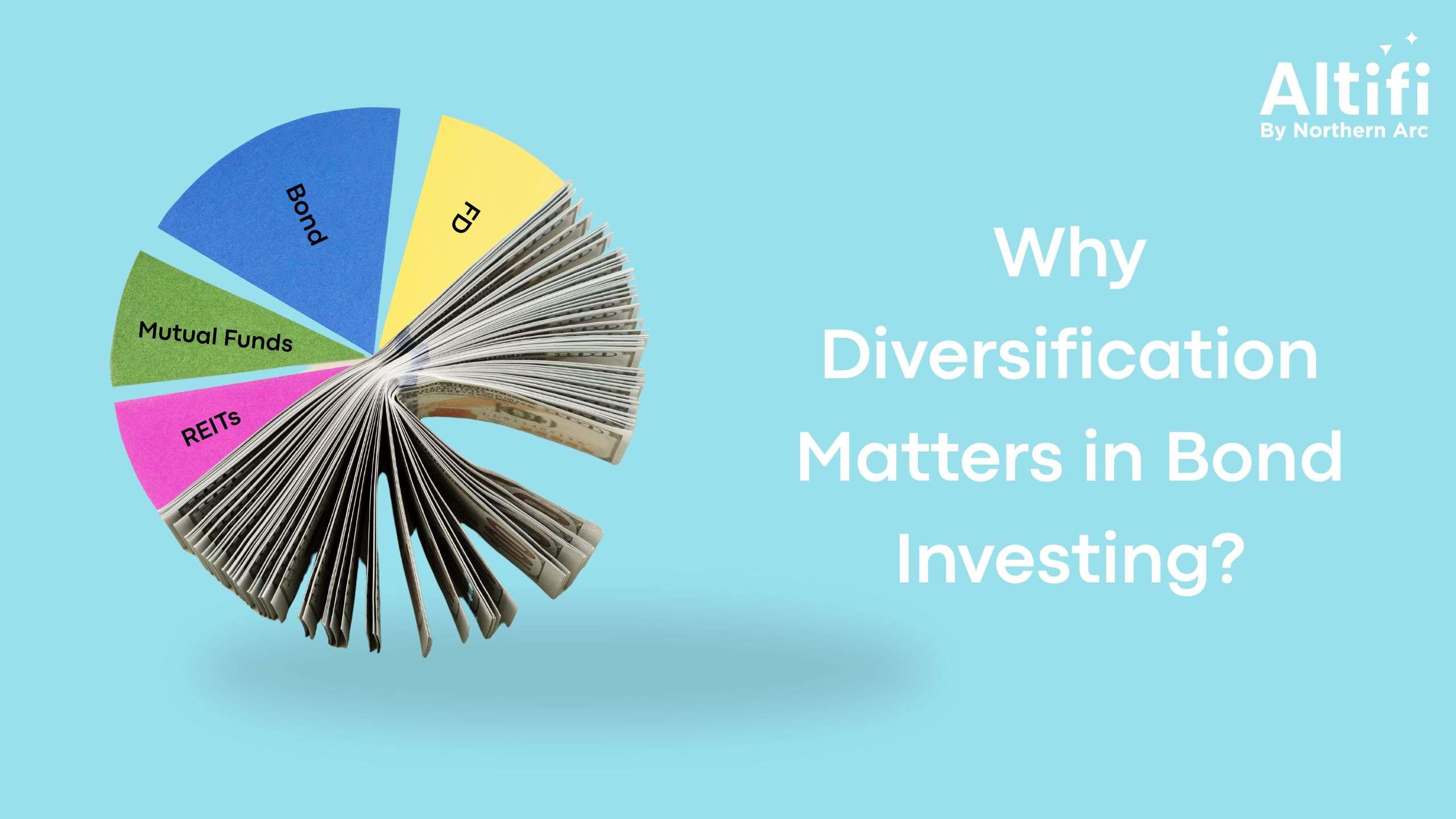
Bond diversification means spreading investments across different types of bonds. The goal is to reduce risk and keep returns steady. Basically, instead of investing all your money in one bond, you create a mix. This mix works in different situations.
This is very important today. Markets move fast. Interest rates can change quickly. In practice, bonds react differently to these changes. Some remain steady. Others fluctuate. Many times, a diversified portfolio smooths these ups and downs. It makes managing investments easier. It also makes them more reliable.
Why Investors Should Diversify Their Bonds
When investors choose to diversify your bonds, it usually follows a clear plan. The main goal is to reduce impact if one bond underperforms.
This strategy is used across the industry. It is strong, reliable, and works well in most cases.
Here’s why it matters. If one bond loses value, others can offset it. This keeps returns stable. It also makes long-term planning easier.
The main benefits are:
- Risk spreads across multiple investments.
- Returns are smoother over time.
- The portfolio is flexible and easy to adjust.
Basically, diversification does not remove the risk completely. But it makes your portfolio easier to manage. It is practical for long-term investing.
How Bond Portfolio Diversification Works
Bond portfolio diversification relies on three main factors that affect performance.
1. Diversification by Issuer Type
A balanced portfolio often includes government bonds, corporate bonds, and municipal bonds.
Government bonds are strong and reliable. They offer stability. Corporate bonds can give higher returns. But they carry more risk. Many times, combining these types creates a portfolio that works in different market conditions.
2. Diversification by Maturity
Bonds have different maturities. This affects how they respond to interest rate changes.
Short-term bonds are less sensitive to rate shifts. Long-term bonds can give higher returns but are more volatile. A mix of maturities smooths performance. It also makes adjusting the portfolio easier.
3. Diversification by Credit Quality
Credit quality shows how likely an issuer is to repay.
High-rated bonds are safe and reliable. Lower-rated bonds may offer higher returns. But they have more risk. In practice, mixing bonds of different credit qualities balances safety and growth.
4. Geographic Diversification in Bonds
As more people use global markets, bond portfolio diversification should also look at different regions. Economic conditions in one country might be poor while another is growing. This changes how we look at risk and provides a major shift in safety.
Example of Bond Diversification
Consider two investors. Investor A invests only in long-term corporate bonds. Investor B creates a diversified portfolio. This includes government bonds, short-term corporate bonds, and some high-yield bonds.
If interest rates rise, Investor A may face larger losses. Investor B sees a smaller, controlled impact. Bonds respond differently. This makes a real difference. It shows how bond diversification reduces risk while still allowing growth.
Key Benefits of Bond Diversification
A well-planned bond portfolio diversification strategy offers many benefits:
- Reduces overall portfolio risk.
- Makes returns smoother and more predictable.
- Works in different market conditions.
- Allows flexibility for adjustments and growth.
Even a simple portfolio can make a clear improvement in outcomes.
Common Mistakes to Avoid
When trying to diversify your bonds, investors needs to avoid following mistakes:
- Adding too many bonds without a clear plan.
- Ignoring how bonds interact in the portfolio.
- Focusing only on high returns and ignoring risk.
Keep in mind, an effective portfolio is about the right mix.
Conclusion
Diversification in bond investing is a practical strategy. It helps manage risks. At the same time, it ensures that returns are smooth. In essence, it is a concept that helps a bond portfolio respond to market conditions. While it is not a concept that completely eliminates risk, it can still ensures a bond portfolio is flexible, reliable, and manageable. Therefore, bond diversification is very important in today's scenario. It ensures that a bond portfolio is stable, consistent, and has growth potential.
FAQs
1. What is bond diversification?
Bond diversification means investing in different types of bonds. It reduces risk and keeps returns steady.
2. Why is bond portfolio diversification important?
It spreads risk, smooths returns, and helps portfolios adapt to market changes.
3. How can I diversify your bonds effectively?
Mix bonds by issuer, maturity, and credit rating. This balances safety and growth.
4. Does diversification guarantee profits?
No. It reduces risk but does not guarantee returns.
5. Can beginners use bond diversification strategies?
Yes. It works for all experience levels, from first-timers to seasoned investors.
6. Is it possible to over-diversify a bond portfolio?
Yes. Adding too many similar bonds can lower returns without improving risk management.
Disclaimer:
The information contained in this Article (“Article”) is for general informational purposes only. Northern Arc Capital Limited (“Northern Arc”) does not make any warranties about the completeness, reliability, and accuracy of this information. Any action you take upon the information contained in this Article is strictly at your own risk, and Northern Arc will not be liable for any losses and damages in connection with the use of our Article.
The data included in this Article has been obtained from sources that are believed to be reliable and accurate at the time of publication. However, Northern Arc does not guarantee the accuracy or completeness of any information, nor does it assume any responsibility or liability for any errors or omissions therein. Any opinions expressed herein are subject to change without notice and Northern Arc is under no obligation to update or keep current the information contained in this Article.
This Article is not intended to constitute, and should not be construed as, investment advice or a recommendation to purchase, sell, or hold any security or to engage in any investment strategy or transaction. Readers should not rely solely on the information provided in this Article for making investment decisions and should conduct their own due diligence or seek the advice of a qualified professional.
The content of this Article is for informational purposes only and is not a solicitation or an offer to buy or sell any securities or financial instruments. Northern Arc is not responsible for any investment decisions made by the recipients of this Article. Readers should take independent financial advice from a qualified professional in connection with, or independently research and verify, any information that is provided in this Article and wish to rely upon, whether for the purpose of making an investment decision or otherwise.
Northern Arc and its affiliates, directors, employees, and agents expressly disclaim any and all liability for any direct or indirect losses, damages, or expenses of any kind arising out of or relating to the use of this Article, including but not limited to, any losses related to the accuracy, completeness, timeliness, or reliability of such information.
This Article may contain forward-looking statements that are based on current expectations, estimates, forecasts, and projections about the markets in which Northern Arc operates, as well as management’s beliefs and assumptions. Forward-looking statements are not guarantees of future performance and involve certain risks and uncertainties, which are difficult to predict. Past performance is not indicative of future results.
This report is intended solely for the recipient and is not for further circulation. Any distribution, modification, reproduction, or disclosure of the contents of this Article, in whole or in part, without the prior written consent of Northern Arc, is strictly prohibited.